

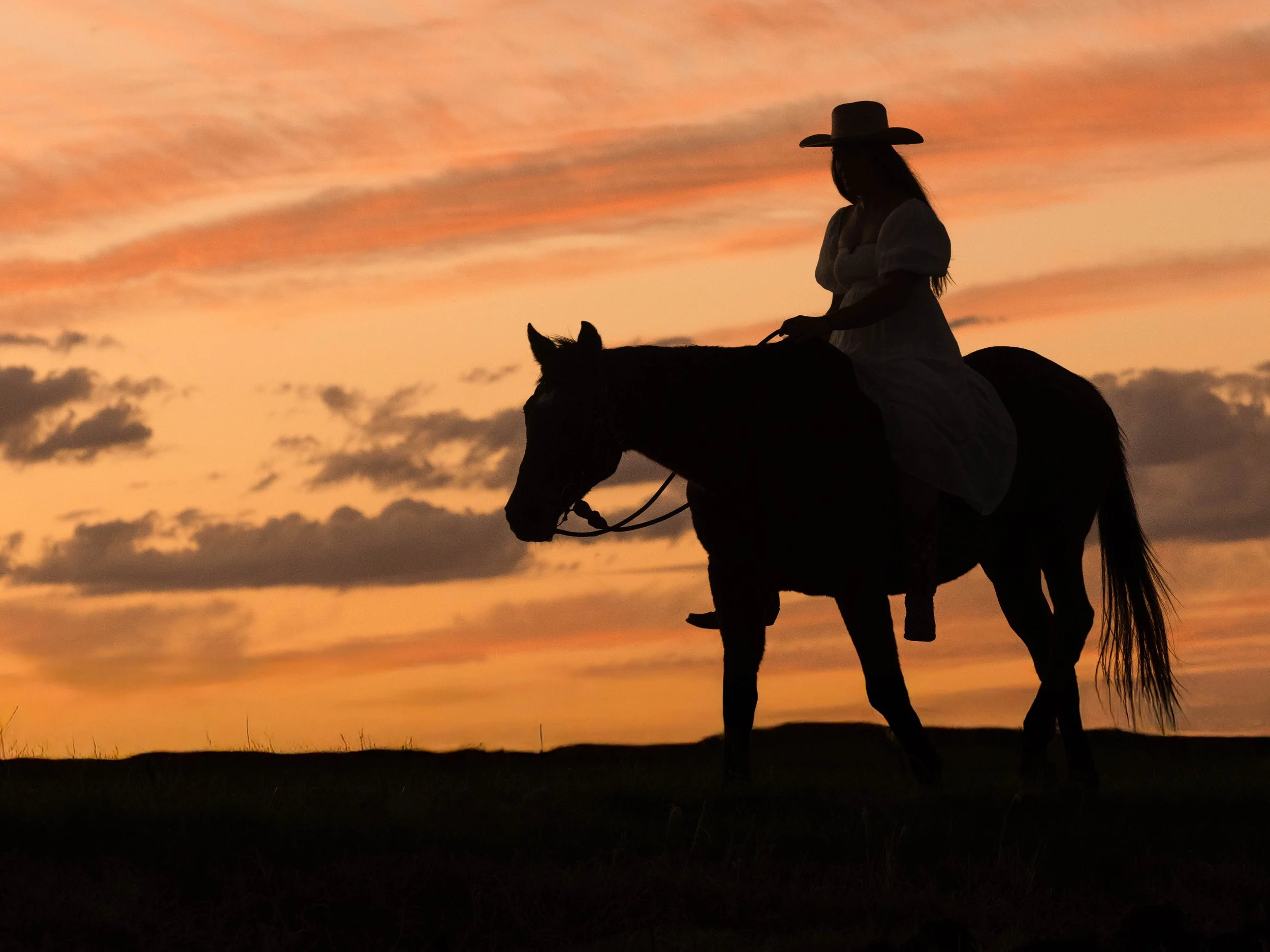
How to Prepare for Your Horse Photo Session
A complete guide to creating calm, beautiful, connection-filled equine images
Preparing for a horse photo session is one of the most important parts of the entire experience and it goes far beyond simply giving your horse a bath the day before.
The truth is, the most beautiful equine photography doesn’t come from perfection. It comes from a horse that feels calm, safe, and understood… and an owner who feels prepared, relaxed, and present.
This guide has been thoughtfully created so you don’t have to second-guess anything. From grooming and styling to behaviour, mindset, and those small details most people don’t think of, everything you need to know about preparing for a horse photo shoot is right here.
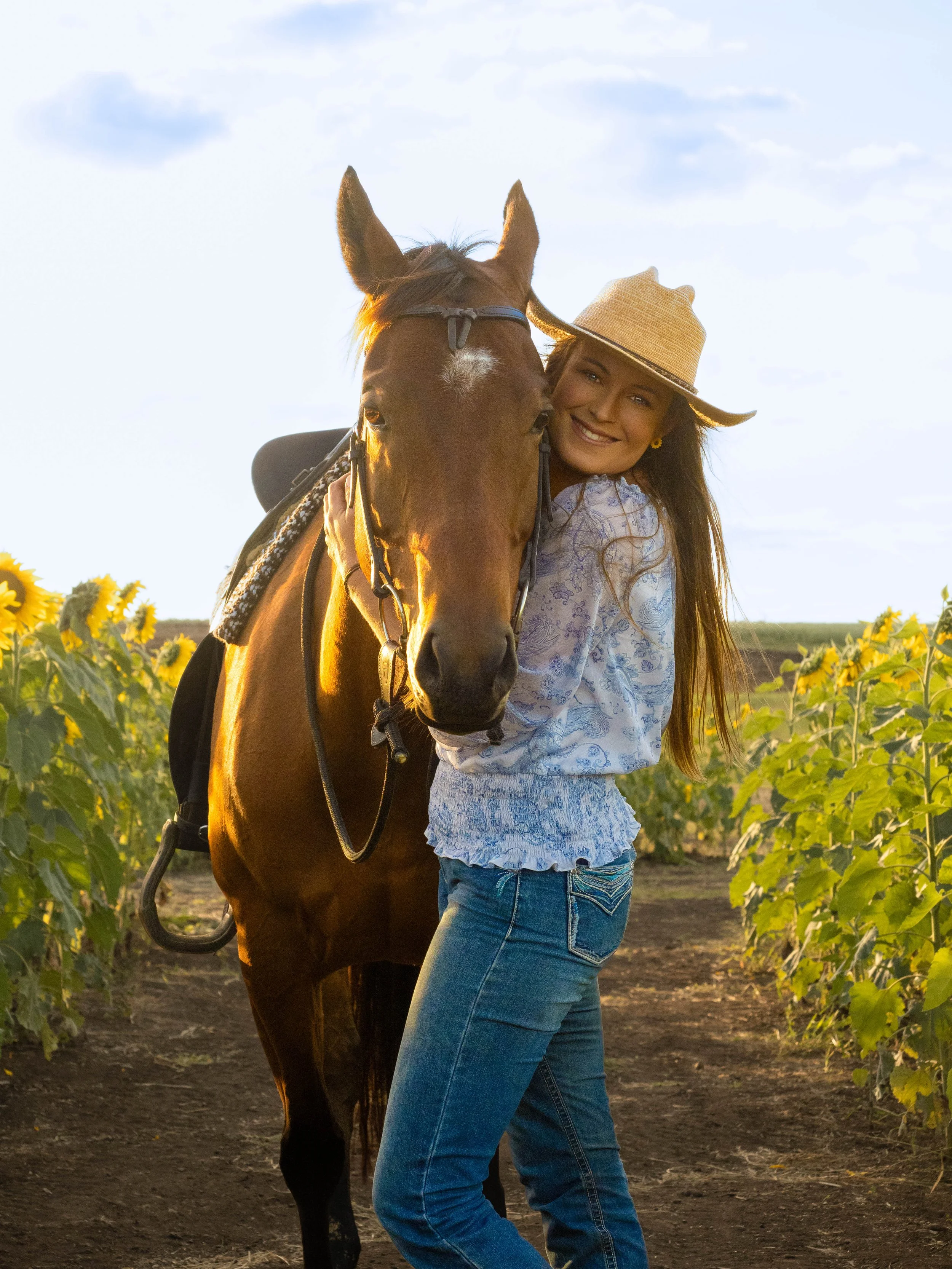
It Starts Before the Camera Ever Comes Out
One of the biggest misconceptions about a horse photography session is that it all comes down to how your horse looks on the day.
In reality, how your horse feels matters just as much.
Horses are incredibly sensitive. They notice changes in routine, new environments, unfamiliar objects, and even subtle shifts in your energy. A session that feels rushed, unfamiliar, or overwhelming can quickly turn into a horse that is tense, distracted, or less responsive.
That’s why preparation isn’t about doing everything at once the day before. It’s about setting your horse up for success in the days, and even weeks leading up to your session.
Grooming Your Horse for a Polished, Timeless Look
Of course, presentation does matter. A well-groomed horse photographs beautifully, and those small details make a significant difference in your final gallery.
For best results, plan to complete your main grooming 24 hours before your session. This allows your horse’s coat to settle naturally while still looking clean and fresh. Then do a quick go over upon arrival.
A thorough bath is the foundation. Take your time to really work through the coat, paying special attention to areas that tend to hold dirt, like under the belly, around the legs, and especially white markings. If your horse has socks or stockings, using a whitening or purple shampoo will help them appear bright and clean in photos. Don’t forget under the tail as well as this is an area often overlooked, but very visible in certain poses.
Clipping and trimming are equally important, but timing matters. Tidying the bridle path, muzzle, ears, and fetlocks will give your horse a clean, refined appearance. If you’re planning a full clip, aim to do this at least a week in advance so the coat has time to soften and any clipper lines blend out. Just like you wouldn’t get a fresh haircut the morning of your own photos, the same applies here.
Your horse’s mane and tail also play a big role in the overall feel of your images. A neatly braided mane can create a polished, show-ready look, especially when paired with formal tack. On the other hand, a natural, flowing mane gives a softer, more relaxed and romantic feel. There is no right or wrong choice here. Only what best reflects your horse and the story you want to tell.
On the day of your session, those final touches bring everything together. A light application of hoof oil adds a beautiful finish, while a small amount of shine gel around the muzzle, eyes, and ears can enhance your horse’s natural features. These details may seem small, but they elevate your images in a way that’s hard to replicate later.
Tack, Styling, and What You Wear
When it comes to equine portrait photography, simplicity is often what creates the most impact.
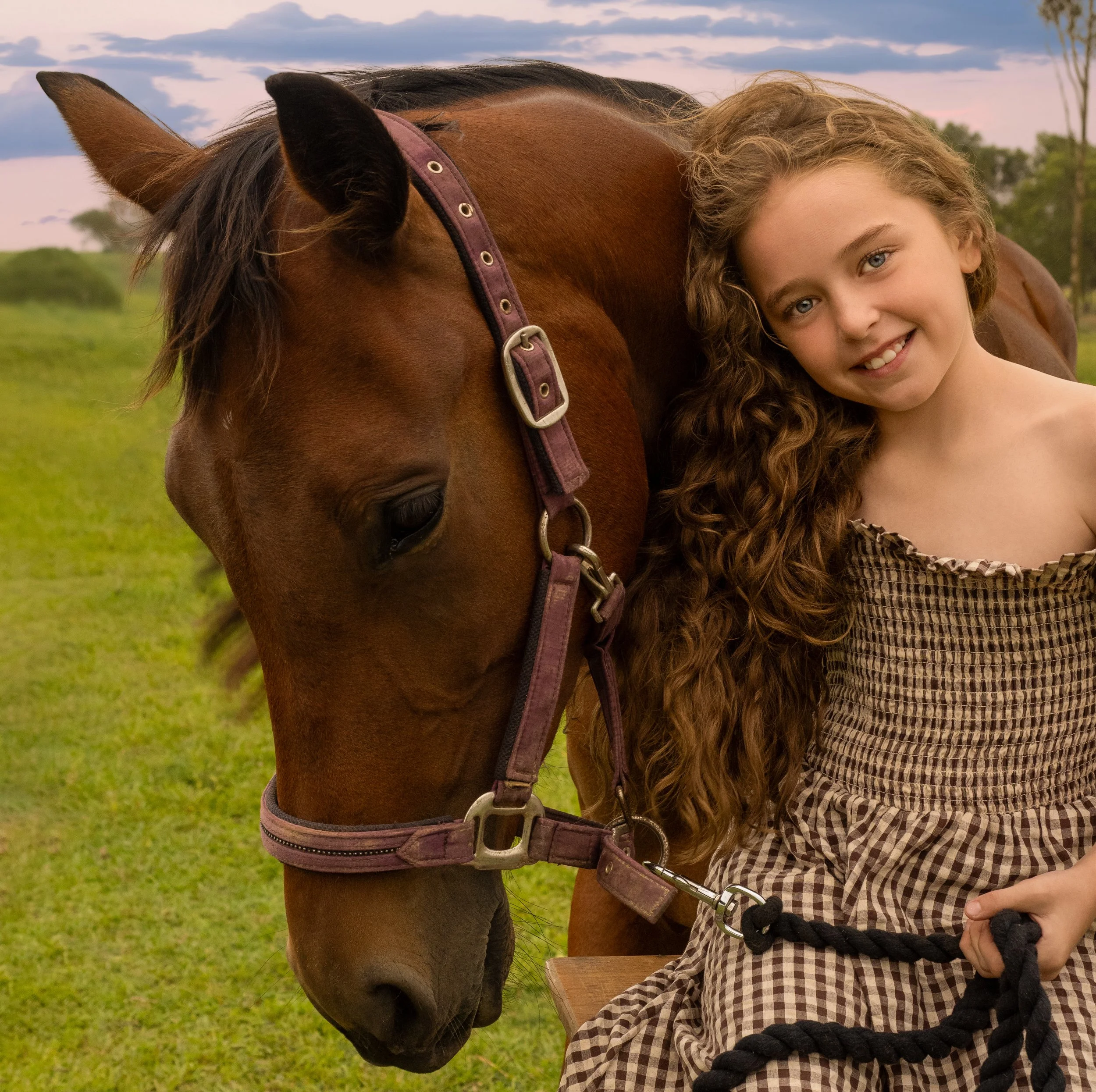
Your tack should be clean, well-fitted, and intentionally chosen. Leather tack tends to photograph best because it looks timeless and doesn’t distract from your horse. If you’re opting for a more minimal look, a simple leather halter or even a “bare” look (where safe and appropriate) can create incredibly striking images.
It’s also worth thinking about cohesion. A dressage braid paired with Western tack, for example, can feel visually disjointed. Keeping everything aligned in style helps your final gallery feel polished and intentional.
But if you are after more styled shoot, like full on country western, then going all out on your fancy tack will make for some amazing photos too!
The day before your session, go over all your tack to make sure it is clean. Nothing worse than dirty tack distracting from what would be a stunning photo!
Your own outfit matters just as much, but it doesn’t need to be complicated. The goal is to complement your horse and surroundings, not compete with them. Neutral tones, soft textures, and flowing fabrics tend to photograph beautifully, especially in natural outdoor settings. Avoid busy patterns or bold logos (unless they are suited to your particular style, like country western), as these can pull focus away from the connection between you and your horse.
If you’re planning something more elaborate, like a flowing dress, it’s a good idea to let your horse see and experience it before the day. Something as simple as unfamiliar fabric moving in the wind can cause them to be skittish if it’s completely new to them.
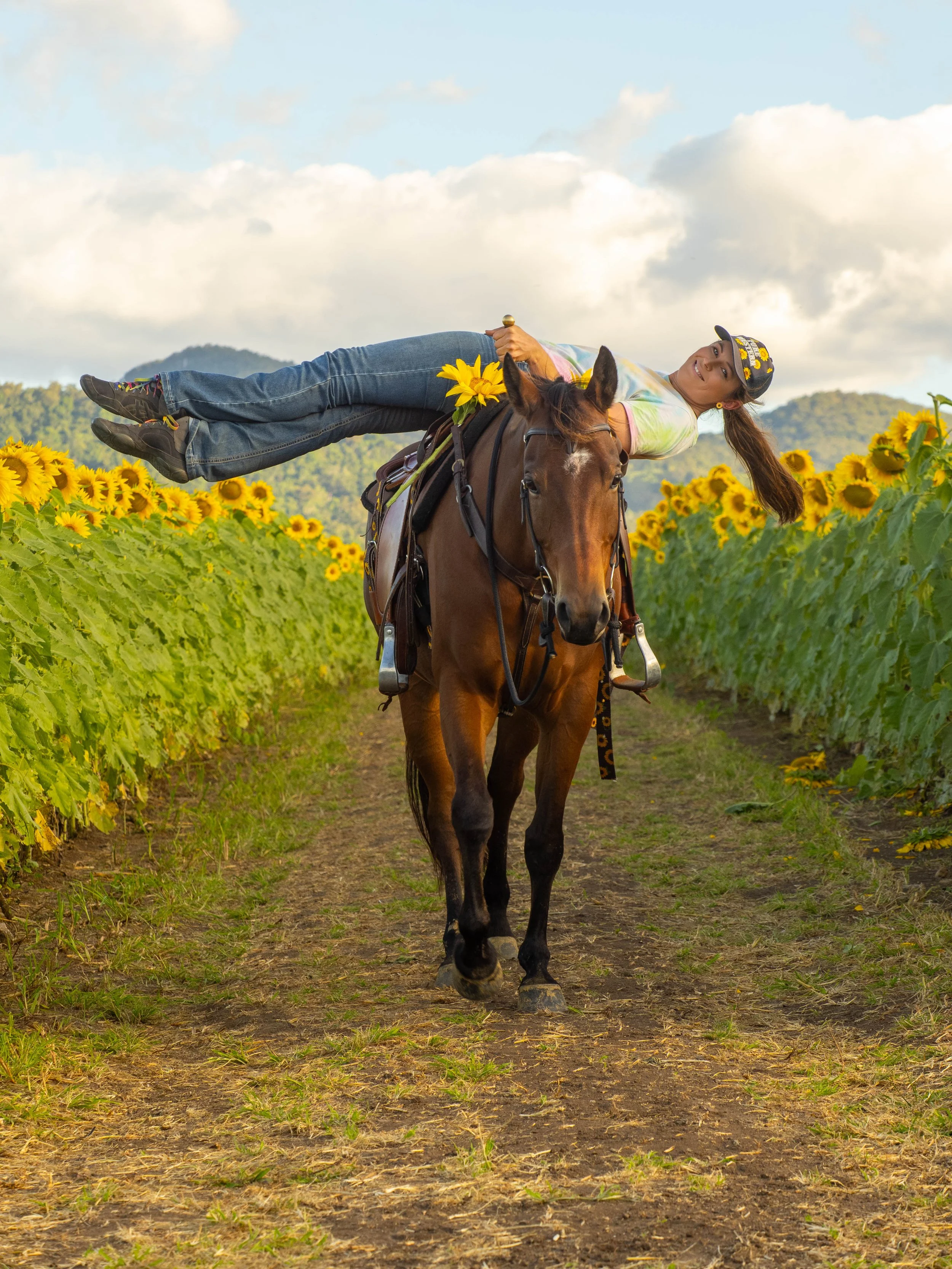
Preparing Your Horse’s Behaviour (The Most Overlooked Step)
If there is one thing that will make or break your horse photoshoot, it’s not grooming, it’s behaviour.
A horse that can stand quietly, remain relaxed, and stay engaged for even a few seconds at a time opens the door to so many more beautiful moments.
In the days leading up to your session, spend a little time reinforcing simple groundwork. Practicing standing still, stopping, backing up, and staying attentive without grazing may seem basic, but it makes an enormous difference. These small habits allow your horse to settle into the session without confusion or frustration.
If there are specific images you’d love, like your horse standing square, walking beside you, or even moving freely, try to introduce and practice those ideas ahead of time. Not in a rigid or pressured way, but in a calm, positive, familiar environment.
It’s also important to think about the location. Even if your horse lives at the property where we’ll be shooting, they may not be familiar with every corner of it. Taking them for a few quiet walks through the areas we plan to use can help remove that “newness” on the day.
Reducing Stress and Creating a Positive Experience
Something that isn’t talked about enough in equine photography is the difference between an alert horse and a stressed horse.
Ears forward, bright eyes, and a lifted posture can look beautiful, but they can also be signs of tension if they’re driven by anxiety or uncertainty.
Our goal is not to create stress for the sake of a photo. It’s to capture genuine curiosity, softness, and connection.
That’s why preparation should always focus on familiarity. Keep your routine as normal as possible. Feed at the usual times, handle your horse as you normally would, and avoid introducing too many new elements all at once.
One of the simplest and most effective things you can do is ensure your horse is well-fed before the session. A hungry horse is a distracted horse. Making sure they’ve had access to hay or feed at least a couple of hours beforehand helps them feel settled and content.
For horses with higher energy levels, a light lunge or ride earlier in the day can help take the edge off. This isn’t about tiring them out, but rather helping them relax into a more balanced state.
What to Expect During Your Session
On the day itself, the most important thing to remember is that there is no rush.
Beautiful images take time. Horses need moments to look, process, and settle. We’ll work with your horse, not against them, allowing space for breaks, adjustments, and those in-between moments where the magic often happens.
To help keep your horse engaged, we may use small, gentle attention-getters like soft sounds, treats, or subtle props. These are never used to startle or stress, but simply to spark curiosity and bring those ears forward naturally.
It can also be incredibly helpful to have a small kit on hand for quick touch-ups throughout the session, things like a soft brush, a cloth for wiping the nose or eyes, fly spray, and a comb. Horses have a way of finding dirt at the most inconvenient times, and having these nearby keeps everything running smoothly without breaking the flow.
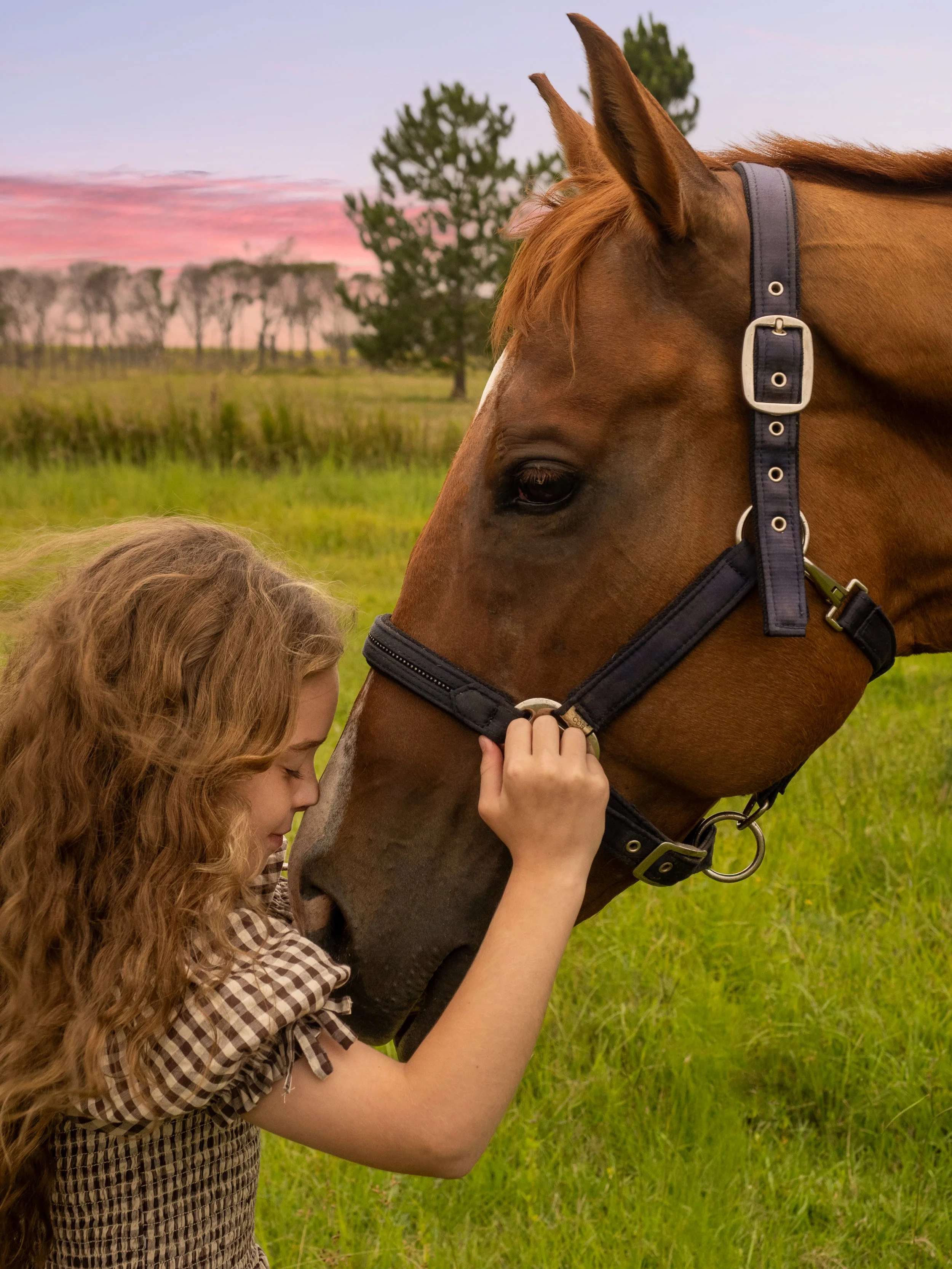
The Details Most People Forget
It’s often the smallest details that make the biggest difference, not just in how your images look, but in how the experience feels.
Things like allowing enough time so you’re not rushing, bringing water for yourself, wearing something you feel comfortable moving in, or even having a second pair of hands to help can completely change the tone of your session.
And perhaps most importantly, giving yourself permission to simply enjoy it.
A Gentle Reminder
Your horse does not need to be perfect.
They don’t need to stand square for every shot, or hold their ears forward the entire time. Some of the most meaningful images come from the quiet, imperfect, in-between moments, the ones that feel real.
The goal of your horse photography session isn’t just to create beautiful images. It’s to create an experience you’ll remember fondly, where both you and your horse feel relaxed, connected, and fully present.
Because those are the moments that truly last.
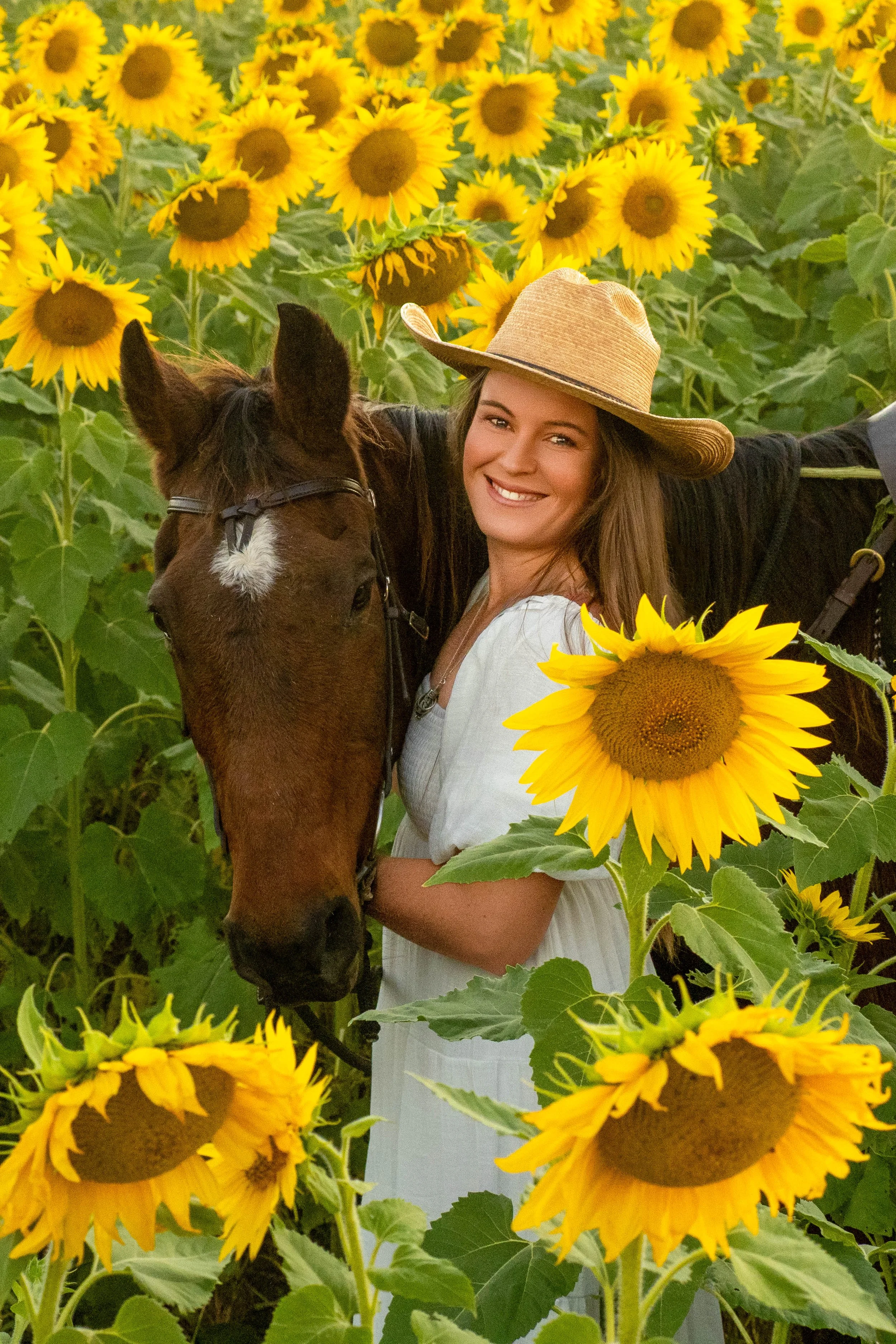
Quick Recap: Preparing for Your Horse Photo Session
As you get closer to your session, here are the key things to keep in mind:
Groom thoroughly 24–48 hours prior, allowing time for your horse’s coat to settle
Complete any clipping at least a week in advance
Choose clean, simple tack and outfits that complement your horse
Practice basic groundwork and standing still
Familiarize your horse with locations, outfits, and equipment
Keep your routine normal and your horse well-fed
Allow plenty of time so nothing feels rushed
Focus on creating a calm, positive experience
When you take the time to prepare in this way, everything else falls into place.
Your horse feels more relaxed. You feel more confident. And together, we create images that are not only beautiful but deeply meaningful.
I truly can’t wait to capture that for you 🤍
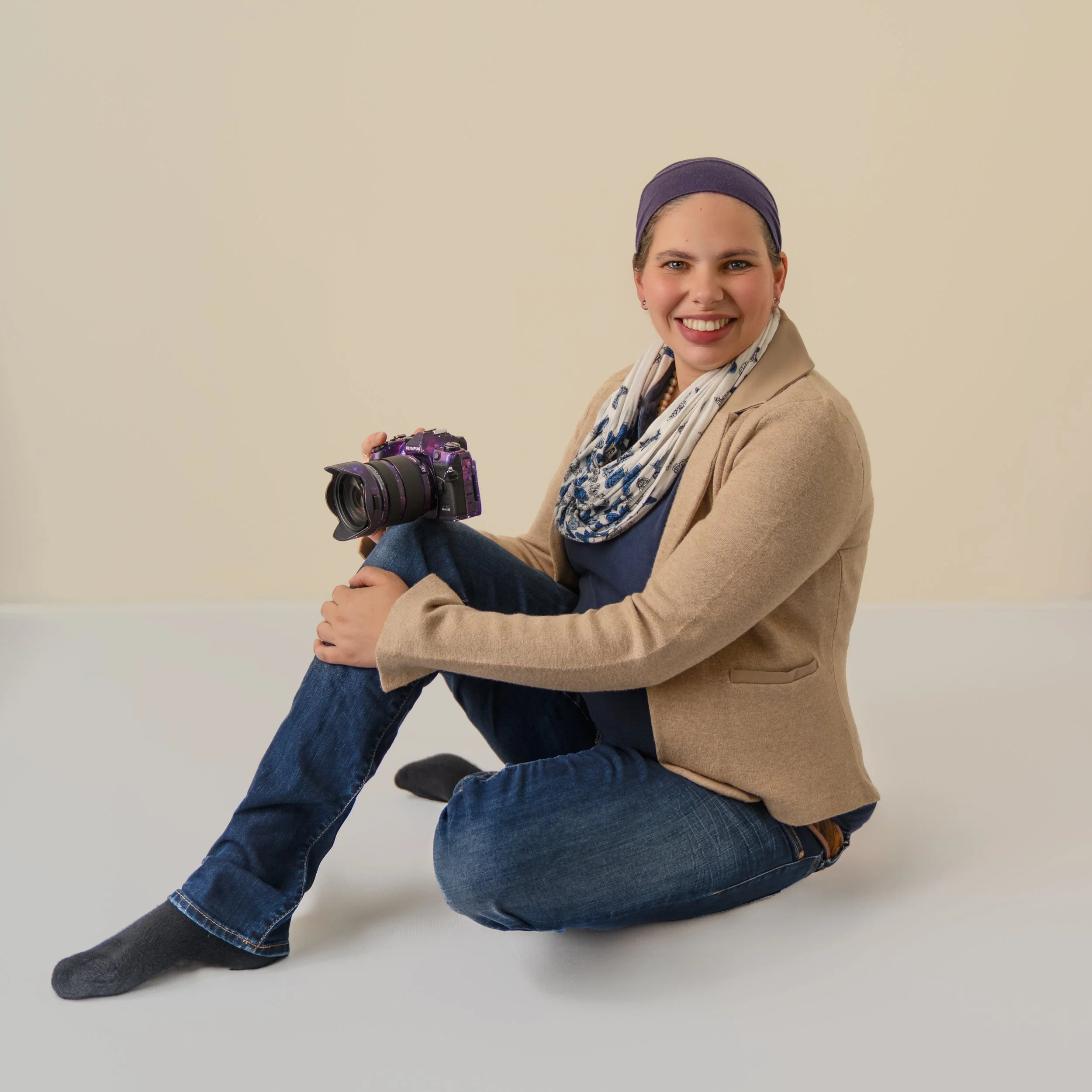
About the Author
Sarah Iskandar is a Brisbane newborn, baby, and family photographer specializing in natural, heartfelt photography for growing families.
As a mother of four, she understands how quickly the newborn and motherhood seasons pass, and is passionate about capturing genuine connection in a calm, relaxed environment.
Based in Raceview, Ipswich, Sarah offers maternity, newborn, and family photography sessions designed to preserve the beauty of early motherhood and the tiny details you never want to forget. If you’re looking for a trusted Brisbane newborn photographer who values warmth, authenticity, and timeless imagery, Luminous Family Photography would love to document your story.